





Quick answer: Pain during sex is common, but it is not something you should just put up with. It is often caused by not enough arousal or lubrication, vaginal dryness, an infection, tight pelvic floor muscles (vaginismus) or conditions such as endometriosis. Slowing down, using plenty of lube and letting the person with pain control the pace can help straight away, and a GP or women’s health physiotherapist can find and treat the cause.
Key takeaways
- Pain is a signal: stop or change what you are doing if sex hurts.
- Not enough arousal or lubrication is one of the most common causes, and the easiest to fix.
- Pain at the entrance and deep pain often have different causes.
- Use a gentle water-based or silicone lube, and avoid numbing, warming or flavoured products.
- A GP, sexual health clinic or pelvic floor physio can help. Painful sex is treatable.
You are not alone
Many women experience pain during sex at some point in their lives, and plenty never mention it to a partner or doctor. Doctors call it dyspareunia. Whatever the cause, it is real, it is common and it can usually be improved.
Common causes
It helps to notice where it hurts. Pain at the entrance of the vagina often has different causes from deep pain felt further in.
- Not enough arousal or lubrication: the vagina relaxes and lengthens when you are aroused. Rushing, stress or not enough foreplay can make penetration uncomfortable.
- Vaginal dryness: common during breastfeeding, perimenopause and menopause, and with some contraceptives and medicines.
- Infections: thrush, bacterial vaginosis and some sexually transmitted infections can cause soreness.
- Vaginismus: the pelvic floor muscles tighten involuntarily, making penetration painful or impossible. It is treatable, often with a pelvic floor physiotherapist.
- Skin conditions: some affect the vulva and make the skin sore or fragile.
- Endometriosis and other pelvic conditions: these more often cause deep pain.
- After childbirth: healing tissue or scarring can be tender for a while.
- Anxiety or past experiences: expecting pain can make muscles tense, which causes more pain.
What can help right now
- Stop if it hurts. Pushing through pain can make your body expect it next time.
- Take more time. Extra kissing, touching and foreplay help your body get properly aroused before any penetration.
- Use lube generously, and reapply it. See our lube guide for help choosing.
- Let the person with pain set the pace. Positions where you control depth and speed, such as being on top, can feel much better.
- Remember sex is more than penetration. Oral sex, hands and toys can all be part of a satisfying sex life while you sort things out.
Choosing a gentle lube
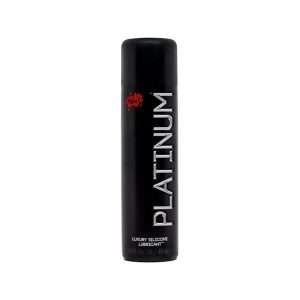
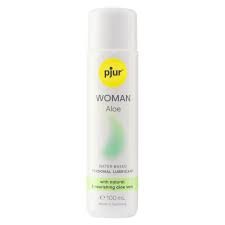
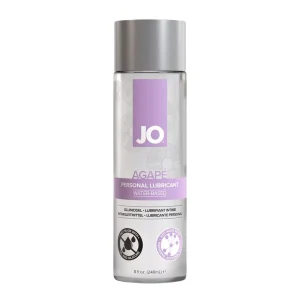
If your skin is sensitive, choose a lube without added fragrance, flavour, warming or tingling ingredients. Glycerin-free and paraben-free water-based lubes tend to be gentlest, and silicone lube lasts longer and suits dryness well. Avoid numbing products: pain is a useful warning sign, and masking it can lead to injury. Browse our water-based and silicone lubes.
When to get help
See your GP or a sexual health clinic if sex is painful more than occasionally, if you notice unusual discharge, bleeding or sores, or if you feel deep pelvic pain. They can check for infections and other causes. For vaginismus and other muscle-related pain, a women’s health physiotherapist can help. Jean Hailes has a detailed guide.
Frequently asked questions
Is it normal for sex to hurt?
Occasional mild discomfort can happen, but sex should not regularly hurt. Ongoing pain usually has a cause that can be treated, so it is worth talking to a GP.
What is the best lube for painful sex?
A gentle water-based lube without glycerin, parabens, fragrance or warming ingredients is a good start. Silicone lube lasts longer and suits dryness. Avoid numbing products, because pain is a useful warning sign.
What is vaginismus?
It is when the pelvic floor muscles tighten involuntarily, making penetration painful or impossible. It is treatable, often with help from a women’s health physiotherapist.
Why does sex hurt deep inside?
Deep pain can be caused by conditions such as endometriosis, pelvic infections or ovarian cysts, or simply by certain positions. If it keeps happening, see your GP.
Can a partner do anything to help?
Yes: slow down, spend more time on foreplay, use plenty of lube, check in often and let the person with pain control the pace. Never pressure someone to keep going if it hurts.
This article is general information, not medical advice. Everyone is different, so please talk to your GP or a sexual health clinic about your own situation. Helpful Australian resources: Jean Hailes, Healthdirect: vaginismus, Healthdirect: endometriosis, Pelvic Floor First.
Questions? Our team is friendly and judgement-free. Call us on 1800 249 569 or visit our Carrum Downs store. Every order ships in discreet, unbranded packaging, with free standard shipping on orders over $100.