





Quick answer: It is completely normal for sexual desire to rise and fall. Stress, tiredness, the mental load, hormonal changes, some medicines, pain during sex and relationship issues can all lower libido. Many women also experience “responsive” desire, where wanting sex builds after touch begins rather than appearing out of nowhere. Low libido is only a problem if it bothers you, and there is plenty that can help.
Key takeaways
- Desire naturally changes over life, and couples often have different levels.
- For many women, desire is responsive: it builds once things get started.
- Stress, sleep, medicines, hormones and painful sex are common culprits.
- Small changes, like time without pressure and new kinds of touch, can make a big difference.
- A GP, counsellor or sex therapist can help if low desire is upsetting you.
There is no “normal” amount of desire
Some people want sex daily, others rarely, and most of us change over time. A difference in desire between partners is one of the most common things couples deal with. Low libido is only a concern if it is causing you distress or affecting your relationship in a way you want to change.
Spontaneous vs responsive desire
Movies show desire as a sudden urge out of nowhere. That is spontaneous desire, and some people experience it often. But many women, especially in long-term relationships, experience responsive desire: you might not feel like sex beforehand, but once you start kissing or touching and feel relaxed, desire follows. Both are normal. Knowing this takes a lot of pressure off.
Common reasons for low libido
- Stress, tiredness and the mental load: it is hard to feel sexy when your mind is on everything else.
- Hormonal changes: pregnancy, breastfeeding, perimenopause and menopause can all affect desire.
- Medicines: some antidepressants and, for some women, hormonal contraception can lower libido. Talk to your GP before changing anything.
- Pain during sex: if sex hurts, it is natural to want it less. See our guide to painful sex.
- Mental health: depression and anxiety often lower desire.
- Relationship issues: unresolved conflict, feeling unappreciated or routine.
- Body image: feeling self-conscious makes it hard to relax and enjoy pleasure.
Ideas to help desire come back
- Take the pressure off. Agree on time together that does not have to lead to sex.
- Make space for intimacy. Scheduling it can sound unromantic, but knowing time is set aside helps many couples relax.
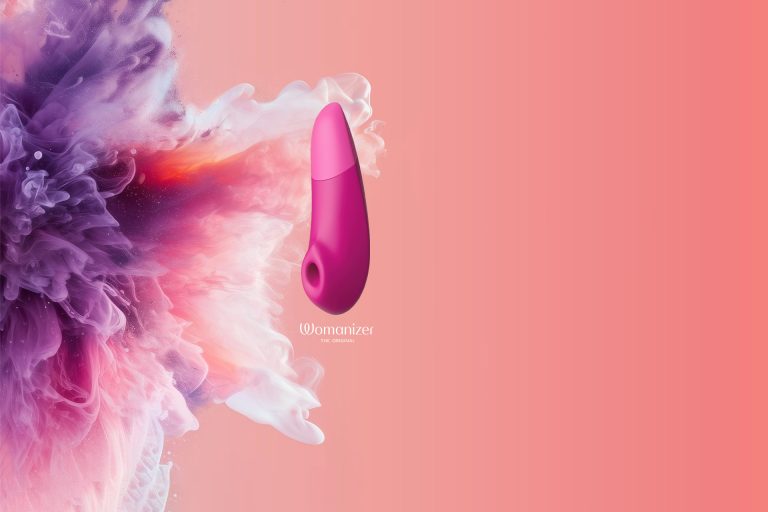
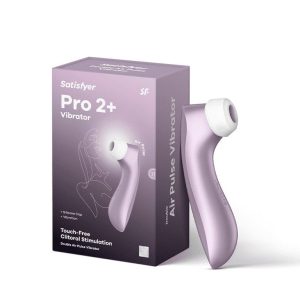
- Get to know what you enjoy. Exploring your own body, alone or with a toy, can reconnect you with pleasure on your own terms.
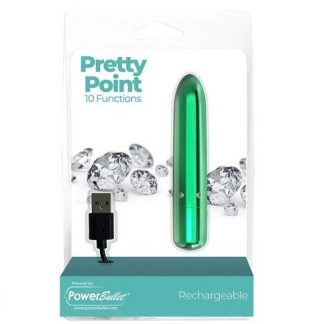
- Try something new. A slow massage, new lingerie or a toy you use together can bring back a sense of play.
- Talk about it openly and kindly. Many couples find this easier with a counsellor or sex therapist.
- Look after the basics: sleep, stress and time for yourself all matter.
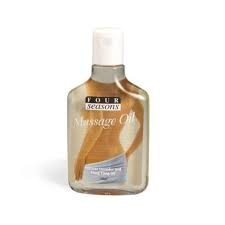
Note that massage oils are not compatible with latex condoms, so use a water-based or silicone lube for anything involving condoms.
When to talk to someone
If low desire is upsetting you, has changed suddenly, or started after a new medicine or life change, talk to your GP. They can check for physical causes such as hormonal changes, thyroid problems or side effects of medicines, and refer you to a counsellor or sex therapist if that would help. Jean Hailes has reliable information on women’s sexual health.
Frequently asked questions
Is it normal to lose interest in sex?
Yes. Desire naturally goes up and down with stress, health, hormones and relationships. It is only a problem if it bothers you or your partner.
What is responsive desire?
It is when desire builds after intimacy starts, rather than before. Many women experience desire this way, and it is completely normal.
Can the pill affect libido?
For some women, hormonal contraception can lower desire, while others notice no change. If you are concerned, talk to your GP before stopping or switching.
Does menopause lower libido?
It can, through hormonal changes, vaginal dryness and sleep problems. Many of these can be treated, so it is worth talking to your GP.
Can sex toys help with low libido?
They will not fix the cause, but exploring pleasure with a toy can help some women reconnect with what they enjoy and make sex feel more relaxed and playful.
This article is general information, not medical advice. Everyone is different, so please talk to your GP or a sexual health clinic about your own situation. Helpful Australian resources: Jean Hailes: sex and sexual health, Healthdirect: menopause.
Questions? Our team is friendly and judgement-free. Call us on 1800 249 569 or visit our Carrum Downs store. Every order ships in discreet, unbranded packaging, with free standard shipping on orders over $100.